Case Studies
The right outcome requires Clarity first.

Project Overview
This residential project involved the modernisation of a legacy switchboard and protection architecture to improve safety resilience and provide structural capacity for future electrification.
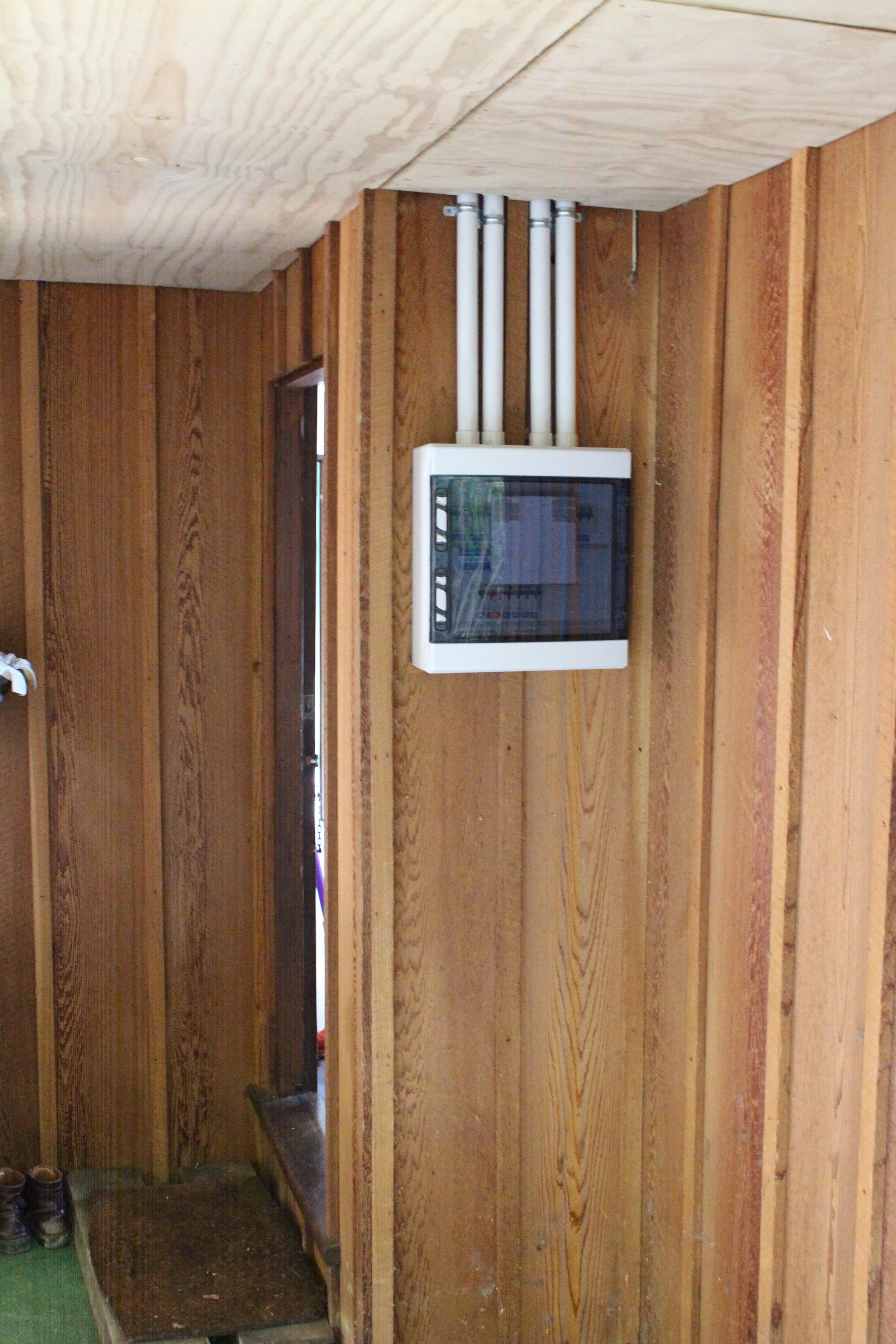
The existing switchboard was located at the end of a hallway behind the rear entry door, resulting in restricted access and limited serviceability. As part of the modernisation works, the switchboard was relocated to an external position.
This relocation improved safe access to the electrical infrastructure while also freeing interior wall space within the hallway for practical household use, including coat storage. The result was both an improvement in infrastructure clarity and a more functional entry space for the home.
Initial Infrastructure Position
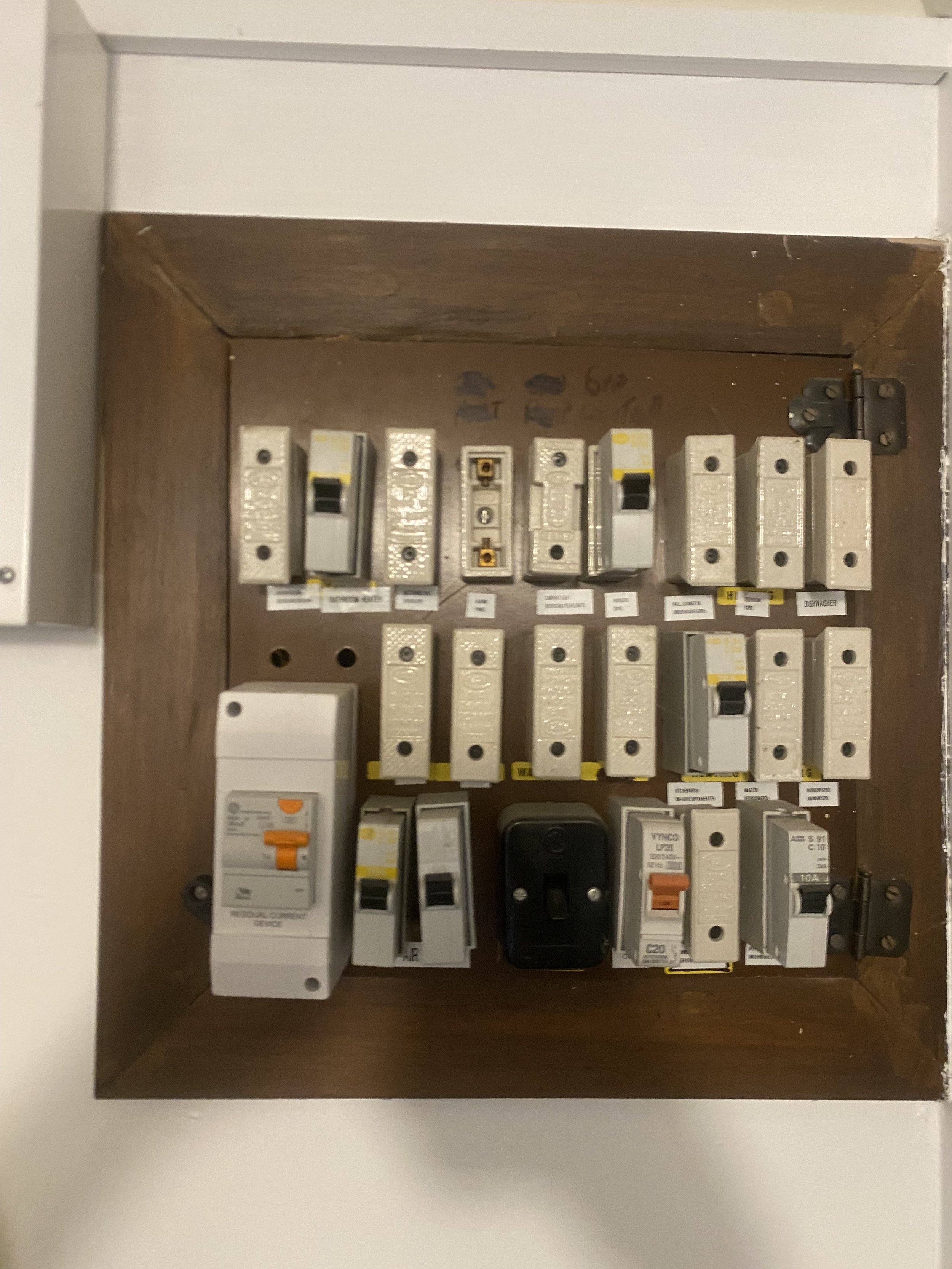
The existing installation reflected an earlier switchboard configuration consistent with the original installation era. While the system remained operational, several structural limitations were present.
• Original switchboard enclosure with limited internal capacity for additional protective devices
• Shared RCD protection across multiple circuits, reducing circuit-level fault isolation
• Limited modular capacity with several fuse terminals carrying multiple conductors
• Constrained distribution structure with little available space for future circuit allocation
• No dedicated provision for emerging high-demand electrical loads
Although serviceable at the time of inspection, the infrastructure offered limited headroom for modern residential electrical demand and provided restricted flexibility for future expansion.
Within the Power Integrity Framework™, these conditions primarily affected the Protection, Capacity, and Future Readiness pillars.
Power Integrity Observations
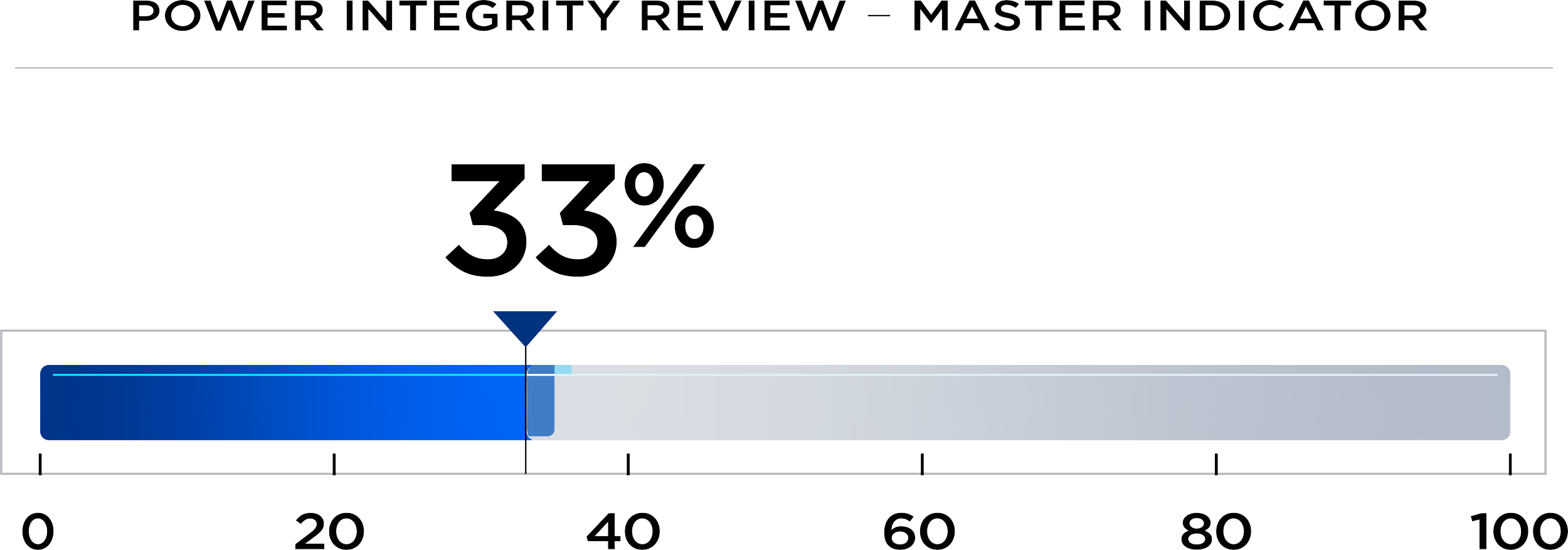
Using the Riverline Power Integrity Framework™, the installation was assessed across five structural pillars.
Capacity
The existing switchboard enclosure provided limited modular capacity and little structural headroom for additional circuits. Supply configuration and enclosure size constrained the ability to safely accommodate future electrical demand.
Protection
Circuit protection relied on shared RCD grouping across multiple circuits. While serviceable, this configuration limited fault isolation and increased the likelihood that a single fault could affect multiple circuits within the home.
Distribution
Circuit grouping reflected the original installation layout, resulting in limited clarity within the distribution structure. Available space for additional circuit allocation was constrained.
Condition
Switchboard components remained operational; however, several fuse terminals carried multiple conductors, reflecting incremental modification over time rather than a cohesive distribution design.
Future Readiness
No dedicated provision existed for emerging high-demand electrical loads such as electric vehicle charging, induction cooking, or additional heating systems. Infrastructure headroom for future electrification was therefore limited.
Modernisation Approach
Following the Power Integrity assessment, a structured modernisation approach was implemented to improve protection alignment, restore distribution clarity, and provide structural capacity for future electrical demand.
The modernisation works included:
• Relocation of the main switchboard to an external position to improve accessibility, safety, and serviceability
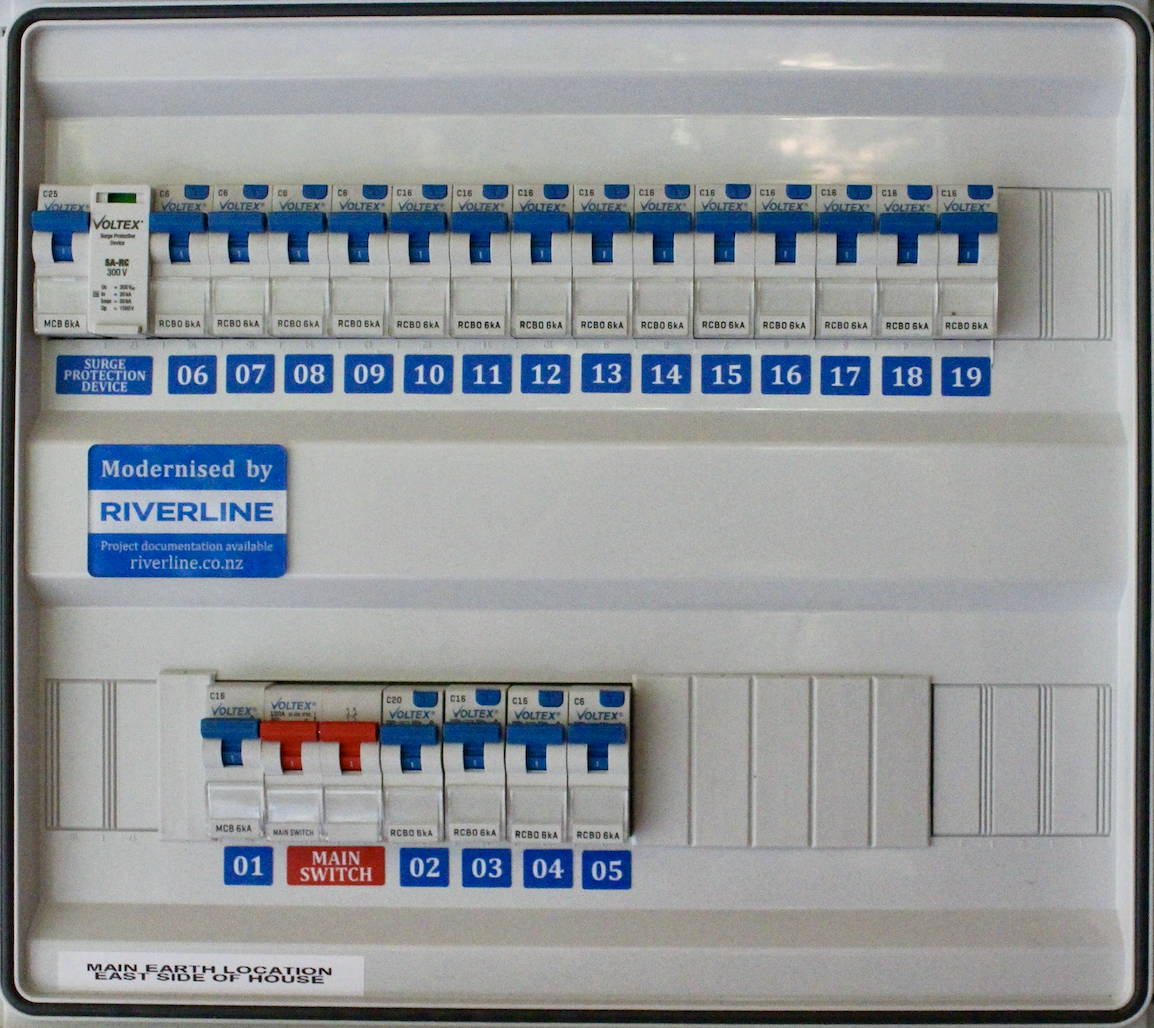
• Installation of a new modular switchboard enclosure providing increased structural capacity for future circuit allocation
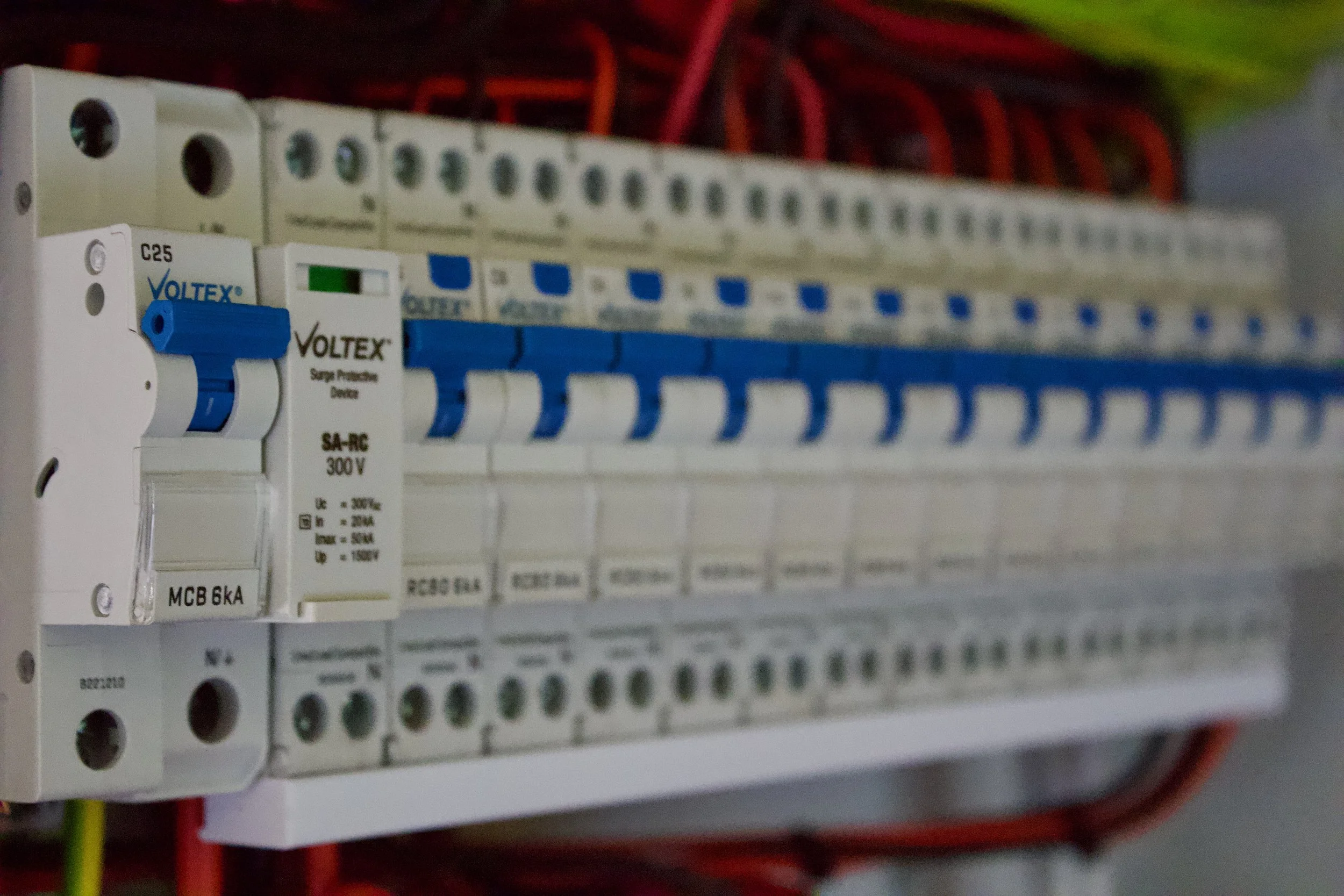
• Transition from shared RCD protection to individual circuit-level RCBO protection to improve fault isolation and safety resilience
• Reorganisation of circuit distribution to improve clarity and simplify future servicing
• Provision of additional modular capacity to allow staged integration of future electrical loads
This approach ensured the installation was not only modernised, but also structurally prepared for evolving residential electrical demand.
The modernisation prioritised improvements within the Protection, Capacity, and Future Readiness pillars of the Power Integrity Framework™.
Outcome
Following modernisation, the installation now provides significantly improved structural alignment across the key pillars of the Riverline Power Integrity Framework™.
The new switchboard configuration delivers clear circuit-level protection, improved distribution clarity, and increased structural headroom for future electrical demand.
Relocating the switchboard externally has also improved safe access to the home’s electrical infrastructure while freeing internal wall space within the hallway, resulting in a more practical and organised entry area.
The installation now provides a stable electrical backbone capable of supporting both current household demand and future electrification technologies as they are introduced.
Infrastructure Alignment Snapshot
Before Modernisation
Protection: Limited ⬤
Capacity: Limited ⬤
Future Readiness: Limited ⬤
After Modernisation
Protection: Adequate ⬤
Capacity: Adequate ⬤
Future Readiness: Prepared ⬤